

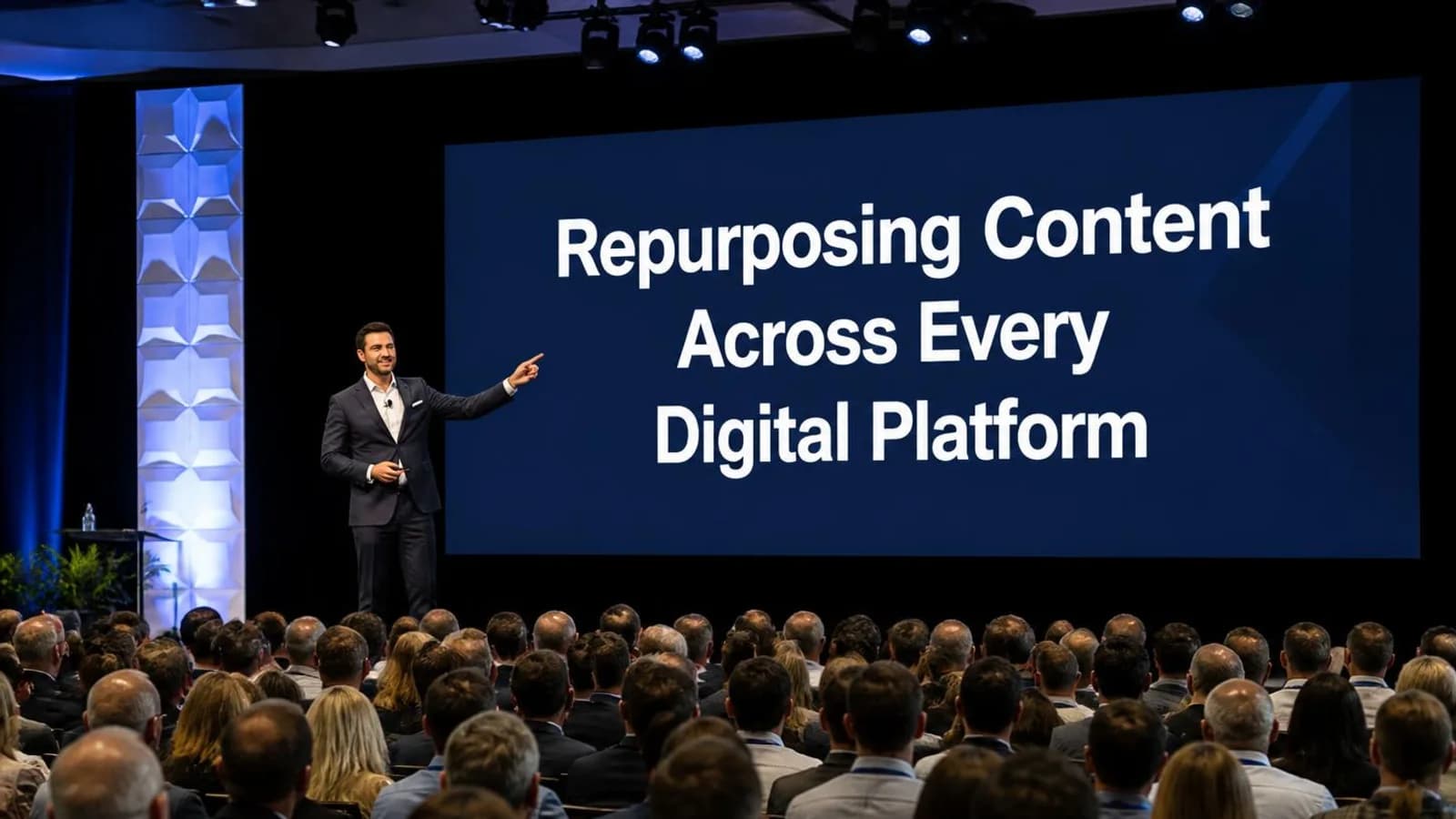
Audiences fragment across YouTube, LinkedIn, Instagram, TikTok, and Connected TV, each with distinct technical requirements. Creating platform-optimized content for every channel is expensive under traditional production models, forcing compromises: generic content that underperforms everywhere, or limited distribution that sacrifices reach.
Aspect Ratios Matter
Widescreen 16:9 suits YouTube and traditional outlets but performs poorly on mobile. Vertical 9:16 dominates Instagram Stories and TikTok but looks awkward on desktop. Square 1:1 offers a workable compromise. Producing all three traditionally requires separate shoots or costly reformatting.
Three Videos Enable True Multi-Platform Distribution
C.TV Wire's inclusion of up to three formats per release solves this directly: a widescreen version for traditional media and YouTube, a vertical version for mobile-first platforms, and a secondary format for LinkedIn or Facebook — turning one release into a full multi-platform campaign without added budget.
Platform Algorithms Reward Native Formatting
Algorithms favor content matching platform-native specs. Posting widescreen video to Reels or vertical video to YouTube reduces reach and engagement. Properly formatted assets compete effectively rather than being penalized for mismatch.
Maximizing Reach Without Multiplying Effort
Sales teams can share platform-appropriate clips, social managers can maintain posting schedules without new assets, and customer success teams can embed relevant videos in onboarding — multiplying the value of each release across business functions.
Future-Proofing Your Content Strategy
Platforms evolve constantly. Businesses with multiple video formats can pivot to emerging channels without additional production cost — building flexibility into content strategy rather than starting from scratch each time.






Discussion
Comments
0 commentsNo comments yet
Be the first to comment on this article.
Join the conversation
Leave a Comment